Compliance Evolution Reshaping Verification for Virtual Reels on Portable Devices
Written by Logan Becker · Oct 3, 2026

Compliance Evolution Reshaping Verification for Virtual Reels on Portable Devices
Regulatory bodies across multiple jurisdictions have introduced updated compliance frameworks that directly influence how operators verify payouts in virtual reel systems accessed through handheld devices, and these adjustments have prompted software providers to integrate more robust authentication layers into their platforms since the beginning of 2025. Data from industry reports indicates that transaction verification times have extended in certain markets as new multi-factor protocols take effect, while system audits now occur at shorter intervals to align with refreshed standards.
Key Regulatory Updates Across Regions
Authorities in the United States and Australia have coordinated efforts to standardize payout confirmation processes for mobile-based virtual reels, and observers note that these measures emerged after several high-profile discrepancies surfaced in remote gaming environments during late 2024. The Nevada Gaming Control Board published guidelines requiring enhanced logging of reel outcomes on portable devices, and similar documentation requirements appear in Australian Communications and Media Authority directives that took partial effect in mid-2025. Operators must now demonstrate real-time reconciliation between server-side results and device displays, which involves embedding cryptographic signatures into each spin sequence.
European regulators outside the United Kingdom have also contributed to this trend, with the Malta Gaming Authority releasing technical specifications that mandate independent third-party verification for any payout exceeding a defined threshold on handheld platforms. These specifications emphasize continuous monitoring rather than periodic spot checks, and developers have responded by updating their RNG modules to support exportable audit trails that regulators can access on demand.
Technical Adjustments in Payout Verification
Virtual reel systems on handheld devices now incorporate additional checksum routines that validate outcome integrity before funds reach player accounts, and this change stems from findings in research papers produced by academic teams studying mobile gaming security. Engineers at major software studios report that these routines add minimal latency on modern smartphones yet require substantial backend infrastructure upgrades to handle the increased data volume. Studies released in early 2026 highlight how older verification methods left gaps that sophisticated tampering attempts could exploit, prompting the shift toward layered confirmation sequences.
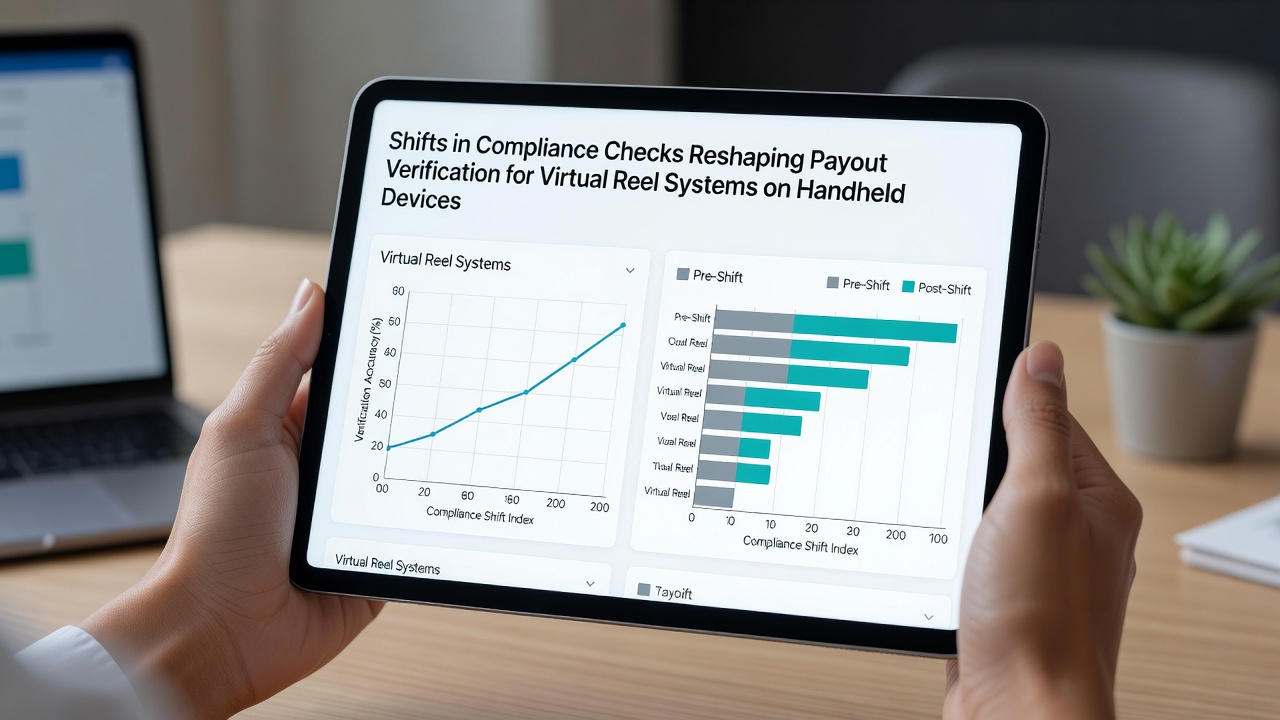
Implementation timelines vary by jurisdiction, yet many operators completed core system migrations ahead of the October 2026 deadline set by several North American and Asia-Pacific licensing bodies. During this period, handheld applications began displaying interim verification status messages to users, and support teams received training on explaining the new steps to players who encounter temporary holds during larger withdrawals. Figures from trade associations reveal that dispute rates related to payout accuracy declined measurably after these protocols rolled out in pilot markets.
Industry Responses and Operational Impacts
Software vendors have released modular updates that allow existing virtual reel titles to meet the revised compliance criteria without full rewrites, and testing performed by independent laboratories confirms that these modules preserve the original mathematical return-to-player percentages. Casino groups operating across borders describe reallocating internal audit resources toward automated monitoring dashboards that flag anomalies in real time, and this approach reduces reliance on manual reviews that previously consumed significant staff hours. Data compiled by the Canadian Gaming Association shows a corresponding rise in capital expenditure on cloud-based verification services among mid-sized operators.
Device manufacturers have collaborated with gaming companies to optimize how handheld hardware handles the extra computational load from these checks, and battery consumption metrics released in manufacturer white papers indicate only marginal increases under typical usage patterns. Those who manage large fleets of gaming applications note that compatibility testing now forms a larger portion of release cycles, particularly when targeting both iOS and Android ecosystems simultaneously.
Conclusion
Shifts in compliance checks continue to drive measurable changes in how payout verification operates within virtual reel systems on handheld devices, and the pattern suggests further refinements will arrive as regulators evaluate data gathered through the October 2026 implementations. Industry participants track these developments through reports issued by bodies such as the Nevada Gaming Control Board and academic institutions examining gaming technology, while operators adjust their platforms to maintain uninterrupted service across regions. The resulting infrastructure supports more transparent transaction records that benefit both regulators and end users without altering core gameplay mechanics.