Navigating Bonus Allocation Strategies in Digital Table Games Amidst Shifting Regulatory Landscapes for Portable Devices
Written by Felix Müller · Aug 23, 2026

Navigating Bonus Allocation Strategies in Digital Table Games Amidst Shifting Regulatory Landscapes for Portable Devices
Digital table games on portable devices continue to expand as operators adjust bonus allocation methods to align with evolving rules across multiple jurisdictions. These games include variants of blackjack, roulette, and baccarat accessed through mobile apps and browsers, where bonus structures must account for both player engagement and compliance requirements that differ by region.
Regulatory Developments Affecting Mobile Platforms
Shifting rules in North America and parts of Europe have prompted operators to revise how bonuses apply to table game play on portable devices. Data from industry reports shows that several state-level frameworks in the United States now require clear separation between bonus funds and real-money wagers, particularly when games run on smartphones or tablets. In August 2026, updates scheduled for certain Canadian provincial systems will introduce additional reporting standards for mobile bonus tracking, requiring operators to log allocation percentages in real time.
Observers note that these changes build on earlier directives from bodies such as the Nevada Gaming Control Board, which emphasize transparency in how bonuses convert during table game sessions on portable devices. Similar patterns appear in Australian state regulations, where mobile operators must demonstrate that bonus allocation does not encourage extended play beyond established limits.
Core Strategies for Bonus Allocation in Table Games
Operators have developed several approaches to distribute bonuses across digital table games while meeting regulatory criteria. One method involves tiered contribution rates, where blackjack hands might receive a lower bonus percentage than roulette spins because of differing house edges. Research indicates this structure helps maintain compliance when games operate on portable devices that support rapid bet placement.
Another approach uses time-bound allocations, limiting bonus usability to specific hours or sessions on mobile platforms. Figures from trade associations reveal that such limits reduce the risk of bonus abuse while allowing players to engage with table games through apps that track device location and session length.
Technical Considerations for Portable Devices
Portable devices introduce unique factors into bonus allocation because screen size and touch interfaces influence how players interact with game controls. Studies from research institutions highlight that mobile apps must embed verification steps to confirm bonus eligibility before each table game round begins. This process often includes device fingerprinting and geolocation checks to satisfy cross-border regulatory demands.
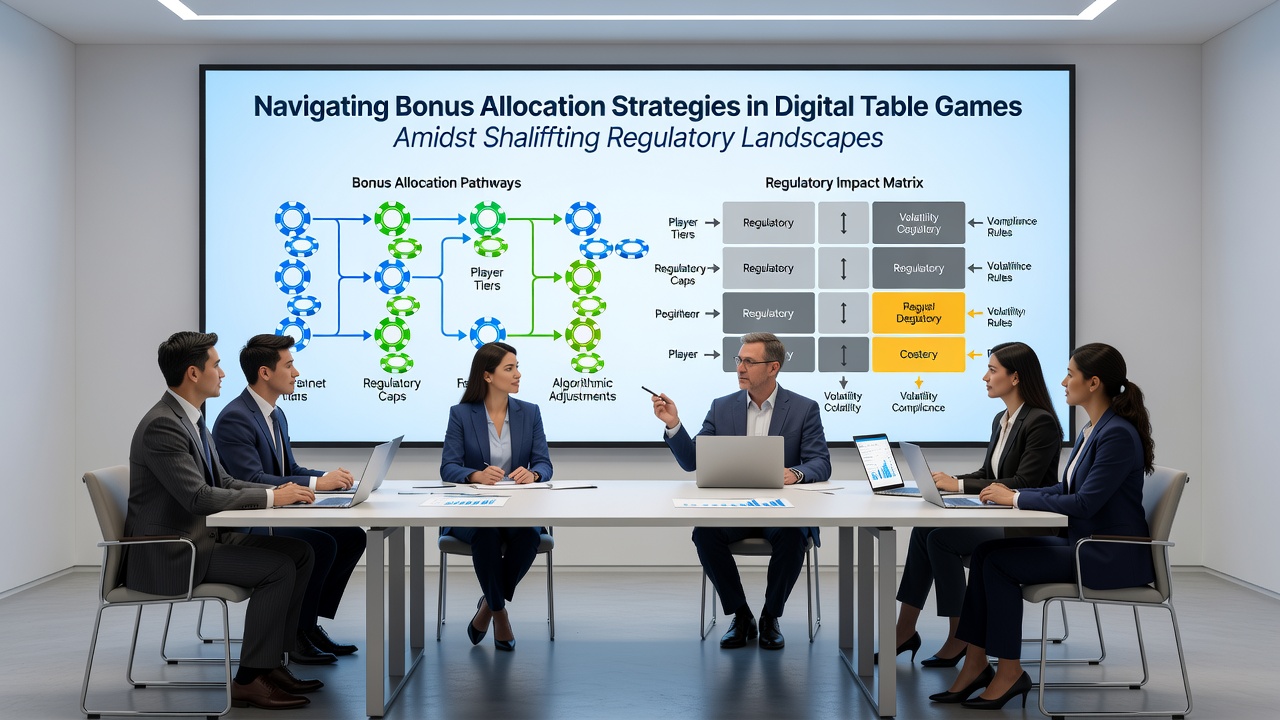
Those who manage mobile gaming platforms report that integrating these checks directly into the bonus engine prevents allocation errors. Data shows that systems using automated compliance layers experience fewer discrepancies when bonuses apply to table games across different operating systems.
Regional Variations and Operator Responses
European frameworks, including guidelines issued by the Malta Gaming Authority, require operators to publish bonus terms that specify contribution rates for each table game type on portable devices. In contrast, certain Asian markets focus more on session caps tied to bonus value, which affects how mobile apps structure play sequences. Industry organizations have documented that operators active in multiple regions maintain separate allocation models for each jurisdiction to avoid conflicts.
Take one case where a platform adjusted its mobile roulette bonus to comply with updated Australian standards; the change involved capping the number of bonus spins per hour while preserving standard table game rules. Such adaptations demonstrate how allocation strategies evolve in response to localized rules rather than uniform global policies.
Player Interface and Compliance Tools
Modern mobile interfaces now display bonus balances alongside real-money amounts during table game sessions. This separation helps users track allocation progress without interrupting play. Academic papers on digital gaming interfaces note that clear visual cues reduce disputes over how bonuses apply to specific bets in blackjack or baccarat on portable devices.
Operators also incorporate in-app calculators that project wagering requirements based on current bonus allocation. Evidence from regulatory filings suggests these tools support compliance by giving players immediate visibility into remaining obligations before they place additional table game wagers.
Conclusion
Bonus allocation strategies for digital table games on portable devices continue to adapt as regulatory landscapes shift across jurisdictions. Operators integrate technical safeguards, regional models, and transparent interfaces to maintain compliance while supporting mobile gameplay. Ongoing developments, including those scheduled for August 2026 in select Canadian provinces, will likely prompt further refinements to allocation methods that balance player access with regulatory expectations.